


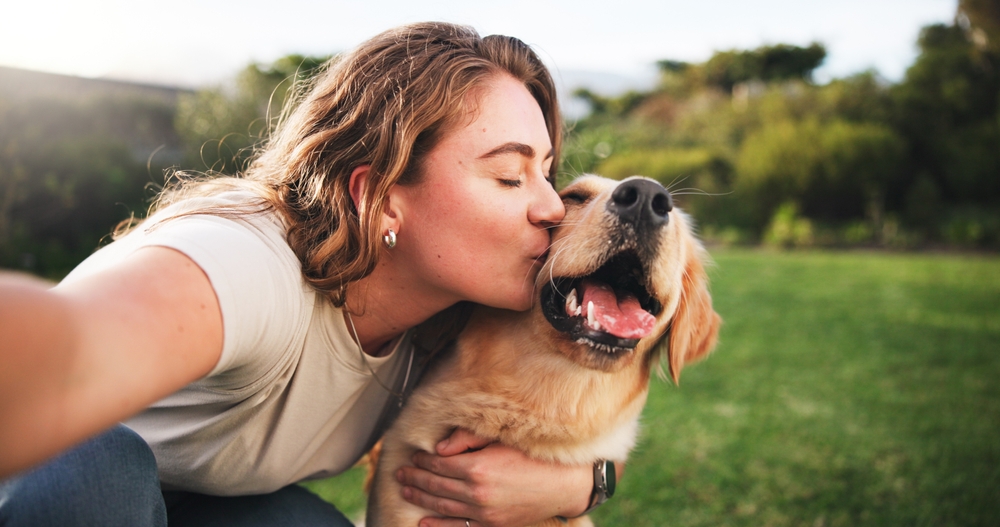
At Katzner Law Group, we often hear clients ask whether it is possible to leave money or property to a beloved pet. The idea may sound unusual at first, but many famous celebrities who left assets in their will to their pets have helped bring attention to this estate planning strategy. Through carefully structured trusts, these individuals ensured their animals would continue to receive care after their death. Their stories highlight how estate planning can protect every member of the family, including pets.
While pets cannot legally inherit property directly, the law allows owners to create legal structures that provide for an animal’s care. Understanding how these arrangements work can help pet owners plan responsibly for the future.
Celebrities Who Left Money to Their Pets
Several well known celebrities have made headlines by leaving significant resources to their pets through estate planning. These cases often involve trusts that designate funds specifically for animal care.
Leona Helmsley and Her Dog Trouble
Hotel magnate Leona Helmsley is perhaps the most famous example. In her will, she reportedly left $12 million in a trust for her Maltese dog named Trouble. Although a court later reduced the amount, the case drew widespread attention to pet trusts and how they function.
Oprah Winfrey’s Planning for Her Dogs
Media icon Oprah Winfrey has publicly discussed plans to ensure her dogs are cared for after her death. Reports suggest she has set aside approximately $30 million in trust funding for their future care. While this amount reflects her significant wealth, the structure illustrates how trusts can be used to protect pets.
Alexander McQueen’s Dogs
Fashion designer Alexander McQueen also included his pets in his estate plan. His will allocated about $81,000 to help ensure that his dogs would continue receiving proper care after his passing.
These examples demonstrate that several celebrities have chosen to include their pets in their estate planning through trust arrangements designed to support long term care, reflecting broader principles explored in Land Trusts and Asset Protection: What Every Property Owner Should Know.
Can You Leave Money to a Pet in Your Will?
In most states, including New York and California, pets cannot directly inherit money or property because they are legally considered property themselves. However, pet owners can still set aside funds for their care through a legal mechanism known as a pet trust (or you can leave money outright to a trusted friend or family member with your wish that they use the money for the care of your pets, however, they may not be legally obligated to do so, so make sure the person you choose is someone you trust implicitly and, if you have any doubts, use a pet trust).
A pet trust allows the owner to designate funds that will be used specifically for the care of an animal after the owner’s death or incapacity. Instead of leaving assets directly to the pet, the owner names a trustee who manages the money and a caregiver who takes responsibility for the animal.
A typical pet trust includes several important components:
- The name and description of the pet
- The person who will care for the pet
- A trustee who manages the funds
- Instructions for the animal’s care
- Funds allocated for food, veterinary care, and other needs
Educational resources from Cornell Law School explain that pet trusts are legally recognized arrangements designed to provide for animals after an owner’s death. This structure ensures that the pet is cared for while preventing misuse of the funds.
Online Appointment Request Call Our OfficeContact an Asset Protection Attorney Near You
 855-528-9637
Why Celebrities Use Pet Trusts
High profile cases often highlight a simple truth: pets depend entirely on their owners. When a pet owner dies without making arrangements, the animal’s future can become uncertain.
Celebrities and everyday pet owners alike use pet trusts to address concerns such as:
- Ensuring the pet remains with a trusted caregiver
- Providing funds for veterinary care and food
- Maintaining the pet’s lifestyle and living environment
- Preventing disputes among family members
Courts generally enforce pet trusts as long as they meet legal requirements and are designed to provide reasonable support for the animal.
How Pet Trusts Work in Estate Planning
Pet trusts follow a structured process that ensures funds are used appropriately for the animal’s care.
Step 1: Establish the Trust
The pet owner creates a trust document that identifies the animal and outlines instructions for its care. The trust can become active upon the owner’s death or incapacity.
Step 2: Fund the Trust
The owner sets aside money or assets that will be used to support the pet’s needs. The amount can vary depending on the animal’s expected lifespan and care requirements.
Step 3: Appoint a Caregiver
A trusted person is chosen to care for the pet. This individual handles daily responsibilities such as feeding, grooming, and veterinary visits.
Step 4: Appoint a Trustee
The trustee manages the funds and ensures the caregiver uses the money appropriately according to the trust instructions.
Step 5: Oversight and Distribution
The trustee releases funds as needed for the pet’s care. Once the pet passes away, any remaining funds are distributed according to the trust instructions.
Guidance from the New York Unified Court System provides helpful information about how trusts are reviewed and administered in estate proceedings.
Advantages of Pet Trusts
Pet trusts offer several advantages compared with informal arrangements.
Financial Security for the Pet
Funds are specifically allocated for the animal’s care, reducing the risk that a caregiver will struggle financially.
Legal Accountability
Trustees are legally obligated to follow the instructions in the trust and act in the pet’s best interest.
Clear Instructions
Owners can specify detailed care instructions, including diet, veterinary providers, and living arrangements.
Reduced Family Conflict
Clear planning prevents disputes about who should care for the pet or how funds should be used.
Common Mistakes to Avoid
While pet trusts are effective, mistakes can create problems if the documents are poorly drafted.
Common issues include:
- Naming a caregiver who is unwilling or unable to serve
- Setting aside unrealistic funding amounts
- Failing to identify backup caregivers
- Leaving unclear care instructions
Working with an estate planning attorney can help ensure the trust is structured properly and legally enforceable, much like guidance a New York asset protection attorney may provide in more complex planning scenarios.
How Katzner Law Group Helps Pet Owners Plan for the Future
At Katzner Law Group, we understand that pets are family members. A New York estate planning lawyer can help clients design comprehensive estate plans that protect both loved ones and beloved animals, including provisions for their pets’ care and well-being.
Our services include:
- Drafting legally enforceable pet trusts
- Coordinating trusts with other estate documents
- Helping clients determine appropriate funding levels
- Updating plans as circumstances change
Thoughtful planning ensures that pets receive proper care even when their owners are no longer able to provide it.
Contact Katzner Law Group to Create a Pet Trust
If you want to ensure your pet is cared for after your passing, estate planning will provide peace of mind. Katzner Law Group helps individuals and families create legally sound plans that protect every member of the household.
To speak with our team, visit our Contact Page or call 855-528-9637 to schedule a consultation. We invite you to contact Katzner Law Group and learn how a pet trust and comprehensive estate plan can help protect the companions who depend on you.
